
How to Make Babywearing Part of Your Postpartum Recovery Plan
Elise Hall | MAR 29, 2025
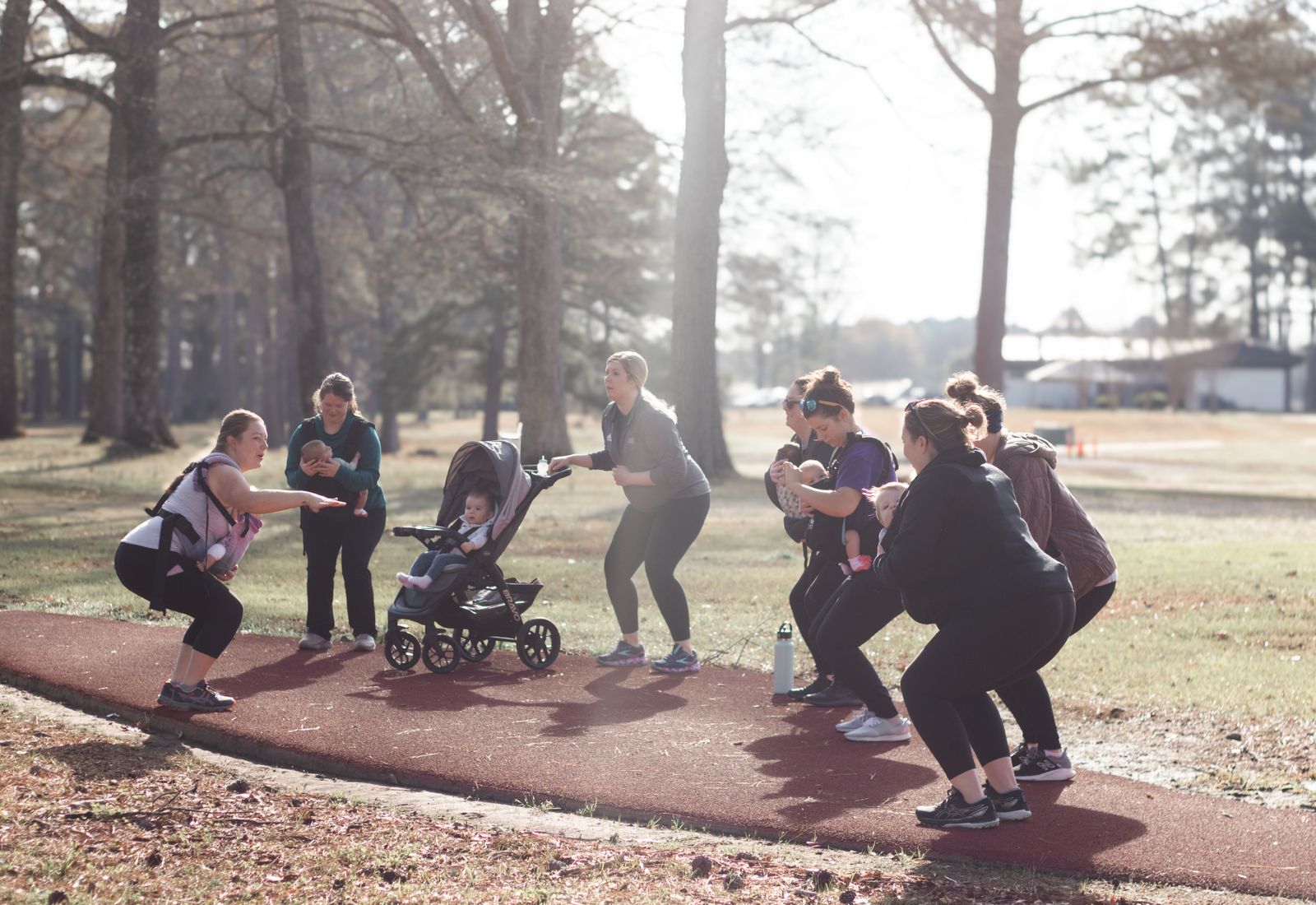
If you’ve ever tried to squeeze in a workout while your newborn wails the second their head hits the crib, you know the struggle. The early postpartum months are intense—your body is healing, your baby wants to be held constantly, and the idea of “getting back to fitness” can feel laughably out of reach.
You’ve just had a baby. Your body is healing. Your sleep is wrecked. Your baby wants to be held all day. And somehow, you're supposed to be thinking about “getting back to movement”?
But what if the thing your baby wants most—the warmth and closeness of being held—could also support your recovery?
Here’s the good news: You don’t have to “bounce back,” carve out an hour for workouts, or figure out how to sneak in squats while your baby cries in the crib.
There’s another way. And it starts with something you might already be doing: babywearing.
Babywearing isn’t just a parenting tool—it can also be a powerful part of your postpartum recovery plan. It supports bonding, soothes your baby, and yes—when done with intention—it helps you rebuild strength, endurance, and confidence in your body.
Let’s talk about why.
Babywearing = Weight-Bearing Exercise (Yes, Really)
It’s not just sweet. It’s science.
Carrying your baby in a well-fitted carrier counts as weight-bearing movement—the kind that research shows is essential for maintaining:
- Bone density
- Cardiovascular health
- Muscle strength and endurance
In fact, babywearing creates a natural, progressive resistance training system: your baby grows, and as they do, your strength grows with them. You're literally rebuilding your fitness in sync with your baby’s development.
Think of it like a tiny, living dumbbell who smells like heaven.
💡 Check out this article from the Center for Babywearing Studies—Babywearing: It Does a Body Good—to dive deeper into the benefits of babywearing as weight-bearing exercise.
It’s Easier to Move When Baby Is Where They Want to Be
Let’s be honest: babies don’t always love being put down. And those precious 20-minute naps? They’re not exactly predictable.
This is where babywearing becomes a game-changer.
Instead of spending your energy trying to “time it right” or racing through a workout before the next cry, you can:
- Get comfy with baby in your carrier (like a weighted vest, but cuter!)
- Keep them close and content
- Move your body while meeting their need for closeness
It might look like a walk around the block, lunges in the hallway, or swaying through your living room. The important thing is that it feels doable, aligned with your healing body, and supportive of your baby’s needs too.
This kind of movement isn’t just convenient—it’s sustainable. And that’s what creates real change over time.
Reframing Postpartum Fitness: From Pressure to Possibility
So much of the postpartum fitness world is built on the wrong message: "Get your body back."
But your body didn’t go anywhere. It just did something incredible. And now, it deserves care—not punishment.
When we reframe postpartum movement as a way to:
- Support recovery
- Ease pain and tension
- Reconnect with our breath, core, and pelvic floor
- Build strength for the real-life demands of parenting
…everything shifts.
Babywearing becomes one of the tools that supports this journey. It's not about bouncing back—it's about moving forward, with your baby by your side (or on your chest).
How to Start Using Babywearing as a Recovery Tool
If you want to incorporate babywearing into your postpartum movement practice, here are a few simple guidelines:
✅ 1. Start with Fit
Make sure your carrier fits you and your baby well. A properly adjusted carrier will:
- Support baby’s weight evenly across your hips and shoulders
- Encourage upright posture
- Prevent unnecessary strain on your back or pelvic floor
(If you're unsure, reach out for a babywearing consultation—it makes a world of difference.)
✅ 2. Use Your Breath
Even standing and breathing with awareness while babywearing can be powerful. Connect to your core and pelvic floor gently. This helps re-establish the brain-body connection post-birth.
✅ 3. Start Small and Simple
You don’t need to jump into squats or lunges right away. Gentle movement—walking, swaying, light stretches—is a great place to begin.
✅ 4. Progress Slowly
As your baby gets heavier, the load naturally increases. That’s your body’s cue to build strength gradually—just like in a well-designed fitness program.
Want More Guidance? I’ve Got You.
If you’re ready to stop waiting for the perfect moment to move your body—and want short, feel-good workouts you can do while babywearing—join my free 5-day series: The Babywearing Movement Reset.
You’re already doing something amazing by showing up for your baby. Now let’s show up for your body too.
One snuggle. One squat. One breath at a time.
Elise Hall | MAR 29, 2025
Share this blog post



 OfferingTree