
When Pelvic Floor Physical Therapy "Fails"
Elise Hall | JAN 25, 2025
When Pelvic Floor Physical Therapy "Fails"
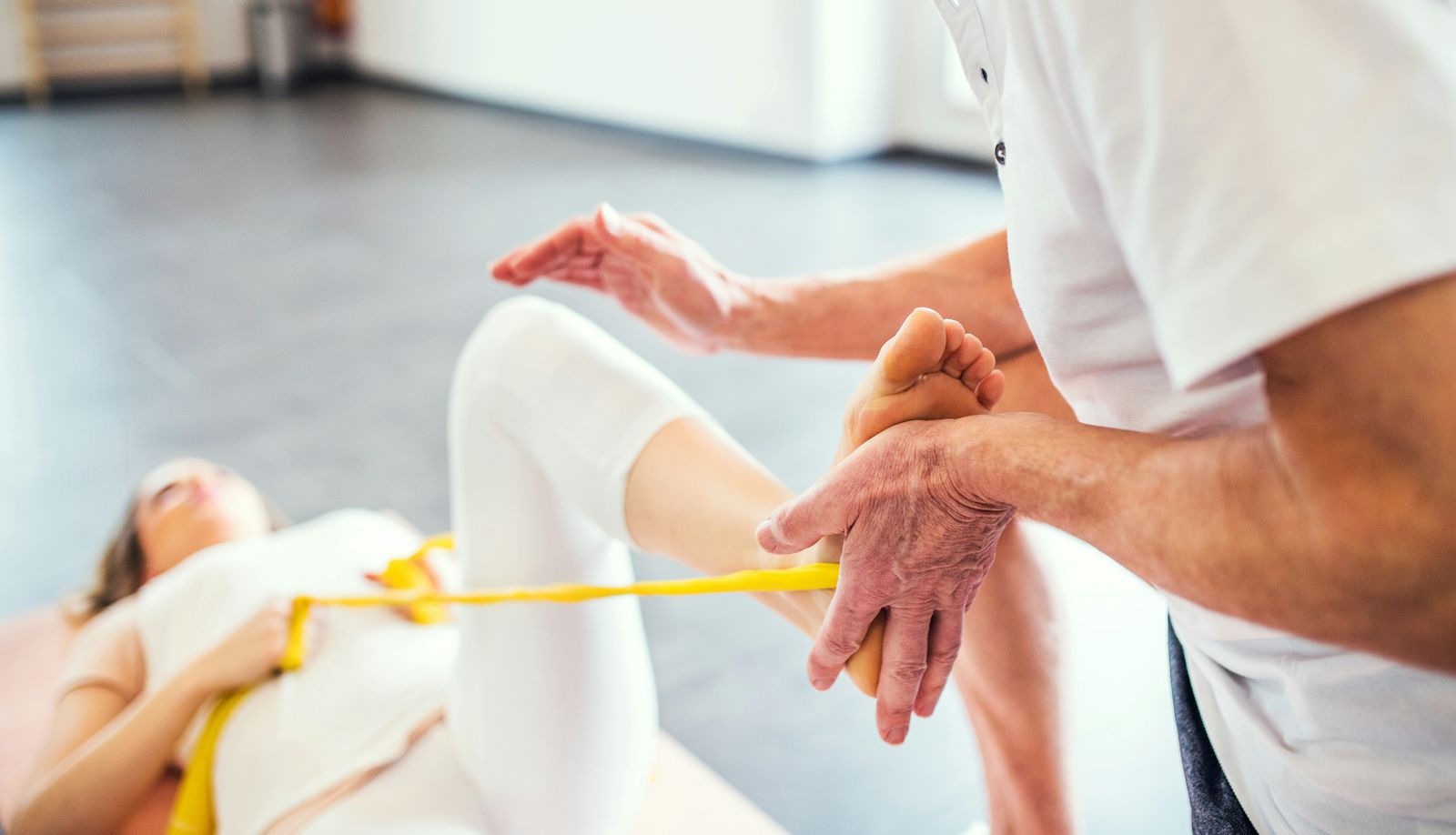
Pelvic floor physical therapy (PFPT) is an incredible resource that every woman should experience at some point in her life—whether or not she has given birth. These specialized therapists possess an incredible depth of knowledge about the pelvic floor and its role in overall health and wellness. However, as transformative as pelvic floor physical therapy can be, it is not a magic fix. For some, it may feel as if PFPT "fails" when symptoms persist or don’t improve as expected. But does it truly fail, or is there more to the story?
The reality is that pelvic floor health is complex, and the effectiveness of physical therapy often depends on factors outside the therapy room. Let’s explore two critical elements that may limit the effectiveness of pelvic floor PT—and what you can do about them.
The Missing Link: Applying What You Learn in Everyday Life
One of the most common reasons pelvic floor therapy may seem ineffective is that the lessons learned in therapy aren’t applied to daily movement habits and lifestyle.
Your pelvic floor doesn’t exist in isolation; it’s part of an interconnected system involving your posture, breathing, core muscles, and even how you move through your day. While a pelvic floor PT can teach you valuable exercises and techniques to strengthen or relax your pelvic floor, those benefits may be limited if your everyday movements and habits don’t support your healing.
For example:
- Are you clenching your glutes or sucking in your stomach all day?
- Are you holding your breath during daily activities?
- Are you regularly engaging in movements that stress your pelvic floor, like heavy lifting with improper form?
In order for therapy to be truly effective, you need to integrate the principles of healthy pelvic floor function into your daily life. This includes mindful posture, coordinated breathing, and movement patterns that align with your body’s natural mechanics.
The Mind-Body Connection
Another often-overlooked aspect of pelvic floor health is the mind-body connection. The pelvic floor is deeply tied to our nervous system, emotional health, and past experiences. Stress, trauma, and anxiety can manifest as tension in the pelvic floor, creating a cycle of dysfunction that isn’t purely physical.
Research has shown that our fascia and muscles often hold onto tension in response to stress, creating patterns of tightness and discomfort that persist over time. This "stored" stress in the body can contribute to pelvic floor symptoms, even if you’re diligently doing all the exercises prescribed by your therapist. Unless this tension is addressed, the underlying issue may remain unresolved.
Equally important is the role of the nervous system. If we don’t learn to down-regulate our nervous system—shifting out of the fight-or-flight state and into a more relaxed, parasympathetic state—our bodies may struggle to let go of this stored tension. Chronic stress can perpetuate a cycle of dysfunction, where the pelvic floor stays tight and symptoms persist despite physical therapy efforts.
Addressing the mind-body connection involves both releasing stored stress in the tissues and learning techniques to calm the nervous system. Mindful movement, breathwork, and guided relaxation can play a crucial role in this process, helping the pelvic floor relax and function optimally.
A Holistic Approach to Pelvic Floor Health
A holistic approach to pelvic floor health goes beyond isolated exercises or techniques. It’s about recognizing that the pelvic floor is part of a dynamic, interconnected system and addressing all the factors that influence its function. This perspective shapes how I structure my classes and why I believe collaboration with professionals from various disciplines is essential for long-term health.
Incorporating functional movements into daily life ensures that the lessons from physical therapy are reinforced and integrated. Movements that mimic real-life activities help create sustainable improvements in posture, core engagement, and mobility, making everyday actions more supportive of pelvic floor health.
Practices that promote relaxation and down-regulation of the stress-response—such as mindful breathing, gentle stretching, or restorative poses—create the conditions necessary for healing. These techniques not only reduce physical tension but also provide an outlet for emotional release, allowing the pelvic floor to let go of stress and trauma it may have been holding.
Holistic care also includes expanding the definition of pelvic floor health to involve collaboration with various professionals. Physical therapists, fitness instructors, mental health practitioners, and even bodyworkers all bring unique expertise to the table. This collaborative approach ensures that no aspect of pelvic floor health is overlooked and that individuals receive comprehensive, well-rounded care.
By broadening how we view and approach pelvic floor health, we empower women to access the support they need in many different forms. Whether it’s through physical therapy, movement classes, or nervous system regulation practices, this multifaceted approach lays the foundation for true healing and long-term well-being.
Ready to Take the Next Step?
If you're curious about how mindful movement and holistic practices can enhance your pelvic floor health, consider joining one of my classes or workshops, all designed with your pelvic floor in mind. These sessions integrate functional movements, breathwork, and relaxation techniques to support both your body and mind.
Pelvic Floor Yoga and Motherhood Moves are some of my favorites for pelvic floor fitness newbies - check the schedule and hop into an upcoming class to give it a try!
Elise Hall | JAN 25, 2025
Share this blog post



 OfferingTree